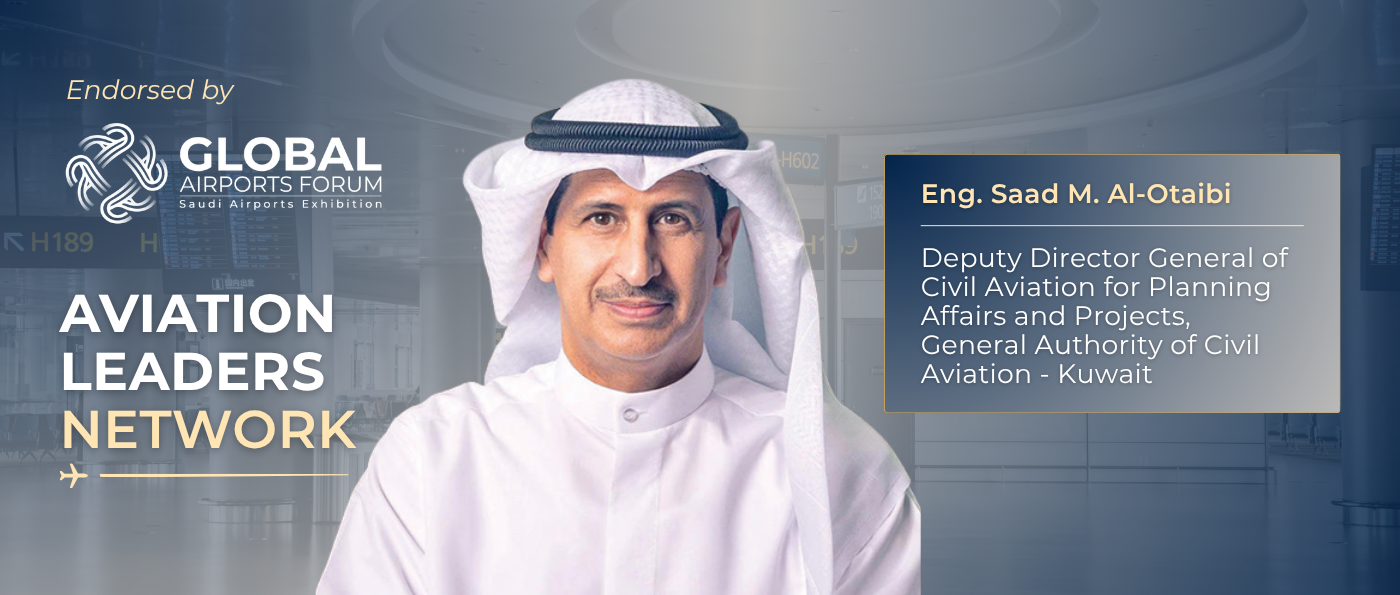
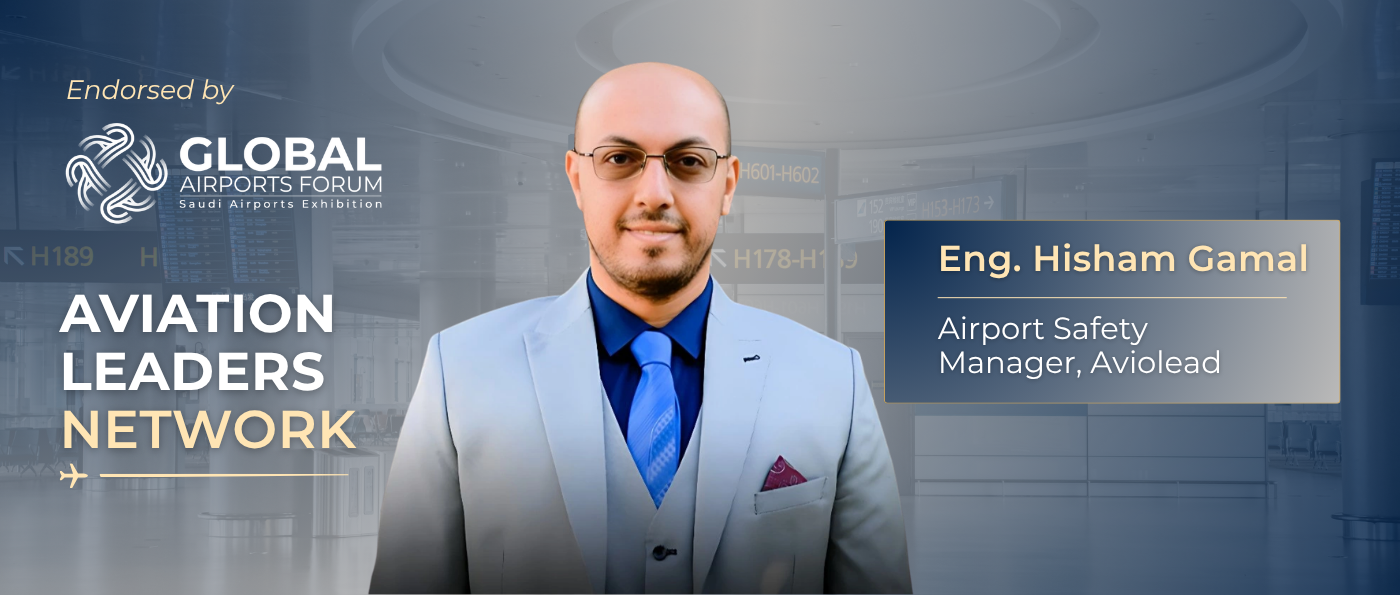
Aviation Leaders Network is a curated editorial initiative endorsed by Global Airports Forum, featuring insights from aviation leaders driving innovation and excellence across the aviation ecosystem.


Key Takeaways
Trust in the Foundation
Every safe airport operation begins with trust—built through strong safety, compliance, and governance
Safety is a Culture
Safety goes beyond regulations. It is a shared responsibility embedded in every decision and every action
Compliance Enables Resilience
Effective compliance strengthens accountability, improves performance, and prepares airports for future challenges
Strengthening Airport Safety, Compliance, and Governance: Building Resilient and Sustainable Airport Operations
Every aircraft movement, every runway inspection, every operational decision, and every passenger journey depend on one thing that often goes unnoticed: trust.
Trust that airport infrastructure is safe. Trust that regulations are being followed. Trust that risks are being identified before they become incidents. This trust is built not through individual achievements, but through a robust framework of safety, compliance, and governance working seamlessly together.
As airports continue to grow in scale and complexity, these three pillars have become essential to building resilient organisations capable of adapting to new operational challenges while maintaining the highest standards of safety and efficiency.
Beyond Compliance: Creating a Culture of Safety
Safety should not be treated as just a regulatory requirement or a compliance checklist. Leading airport organizations recognize that safety is a core organizational culture that drives every operational decision, empowers every employee, and engages every stakeholder.
Creating this culture requires leadership commitment, open communication, continuous learning, and an environment where reporting potential risks is encouraged rather than feared. When people at every level feel responsible for safety, airports become more proactive, resilient, and prepared for the unexpected.
A mature safety culture not only protects people and infrastructure but also strengthens operational performance and reinforces public confidence.
This trust is built not through individual achievements, but through a robust framework of safety, compliance, and governance working seamlessly together
Compliance as a Strategic Enabler
Compliance is often associated with meeting regulatory obligations, yet its true value extends far beyond satisfying audits or inspections.
A well-structured compliance framework provides consistency, transparency, and accountability across airport operations. It enables organisations to identify gaps early, strengthen operational controls, and continuously improve performance while remaining aligned with national regulations and international aviation standards.
Rather than limiting innovation, effective compliance creates the confidence needed to introduce new technologies, modernise operations, and embrace change responsibly.
Governance That Strengthens Decision-Making
As airports become increasingly interconnected, governance plays a vital role in ensuring that strategic decisions are supported by clear responsibilities, effective oversight, and sound risk management.
Strong governance creates alignment between operational priorities and long-term strategic objectives. It promotes collaboration across departments, encourages informed decision-making, and enables airports to respond more effectively to emerging risks and evolving industry requirements.
Ultimately, governance provides the foundation upon which resilient airport organisations are built.
Compliance is often associated with meeting regulatory obligations, yet its true value extends far beyond satisfying audits or inspections.
Successfully navigating this environment requires more than investment in infrastructure or technology. It requires organizations that are agile, accountable, and committed to continuous improvement.
Preparing Airports for Tomorrow’s Challenges
The aviation industry continues to evolve at an unprecedented pace. Digital transformation, sustainability goals, increasing passenger expectations, and new regulatory requirements are reshaping how airports operate.
Successfully navigating this environment requires more than investment in infrastructure or technology. It requires organizations that are agile, accountable, and committed to continuous improvement.
Building resilience means investing in people, strengthening governance, embracing innovation responsibly, and ensuring that safety remains at the center of every operational decision.
The Path Forward
The airports best positioned to lead the future of aviation will be those that look beyond infrastructure and technology to build resilient organizations founded on proactive safety management, regulatory compliance, robust governance, and continuous improvement. These principles provide the foundation for sustainable, efficient, and safe airport operations in an increasingly complex and dynamic operating environment.
By embedding these principles into everyday operations, airports create environments that are not only safer and more efficient, but also better prepared to adapt to change, support sustainable growth, and deliver lasting value to passengers, partners, and the wider aviation community.
In an industry where confidence is earned through consistency, resilience begins with a commitment to doing the right things, every single day.
Leadership Articles

FEATURED ARTICLE
Convergence of Digital Twins and Proactive Compliance in Modern Airports
5 min read

FEATURED ARTICLE
From Fragmented Operations to Connected Airside Intelligence
5 min read

FEATURED ARTICLE
One Platform. Smarter Passenger Communication for the Airports of Tomorrow.
5 min read

FEATURED ARTICLE
Saudi Arabia needs to move 190 million more passengers by 2030. Most of them won’t arrive in a new building.
5 min read


































Be Part of the Fifth Edition
Join the companies that continue to choose Global Airports Forum as their platform for industry engagement, brand visibility and business growth.
Contact The Team Today
Daksha Patel – daksha@nicheideas.net | +971 56 690 7668
Arun Veetil – arun@saudiairportexhibition.com | +971 52 499 4488