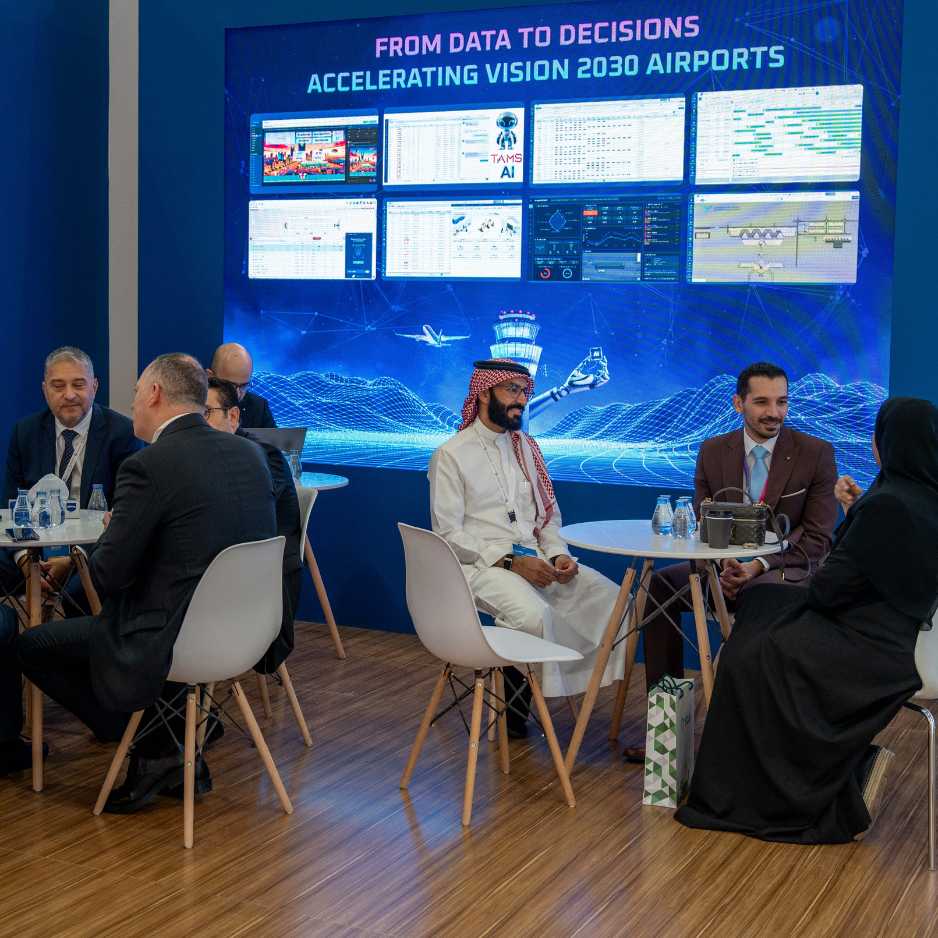
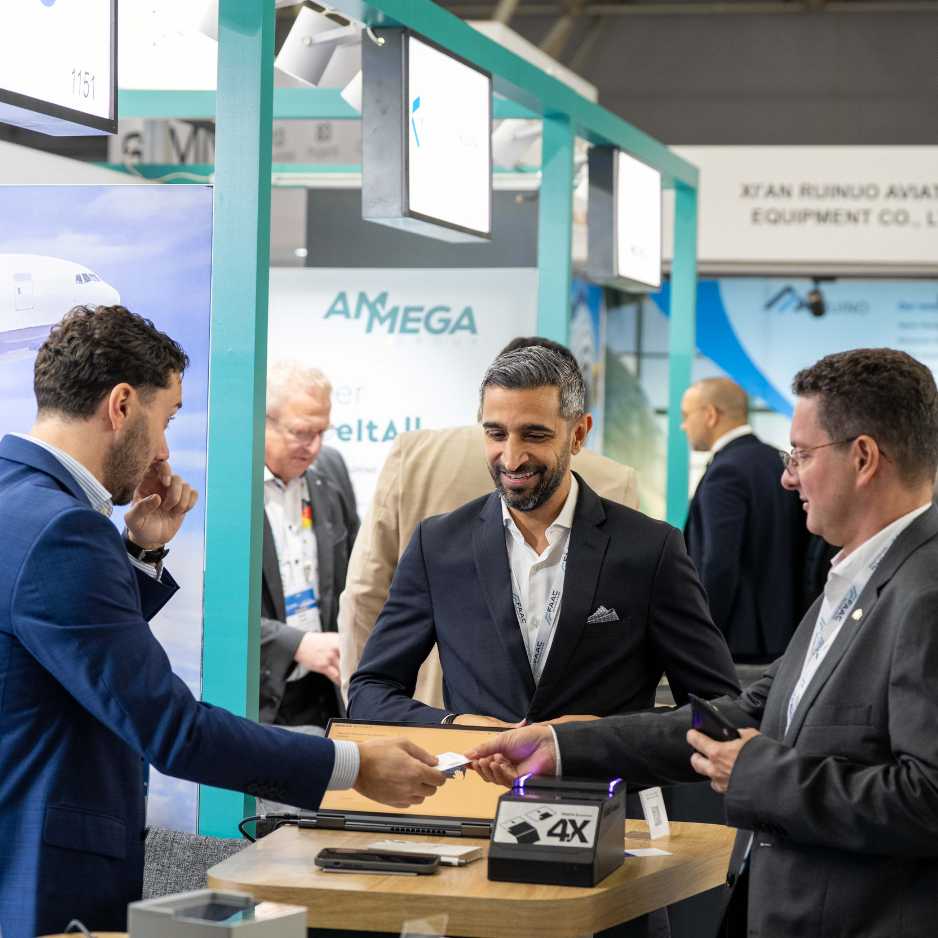
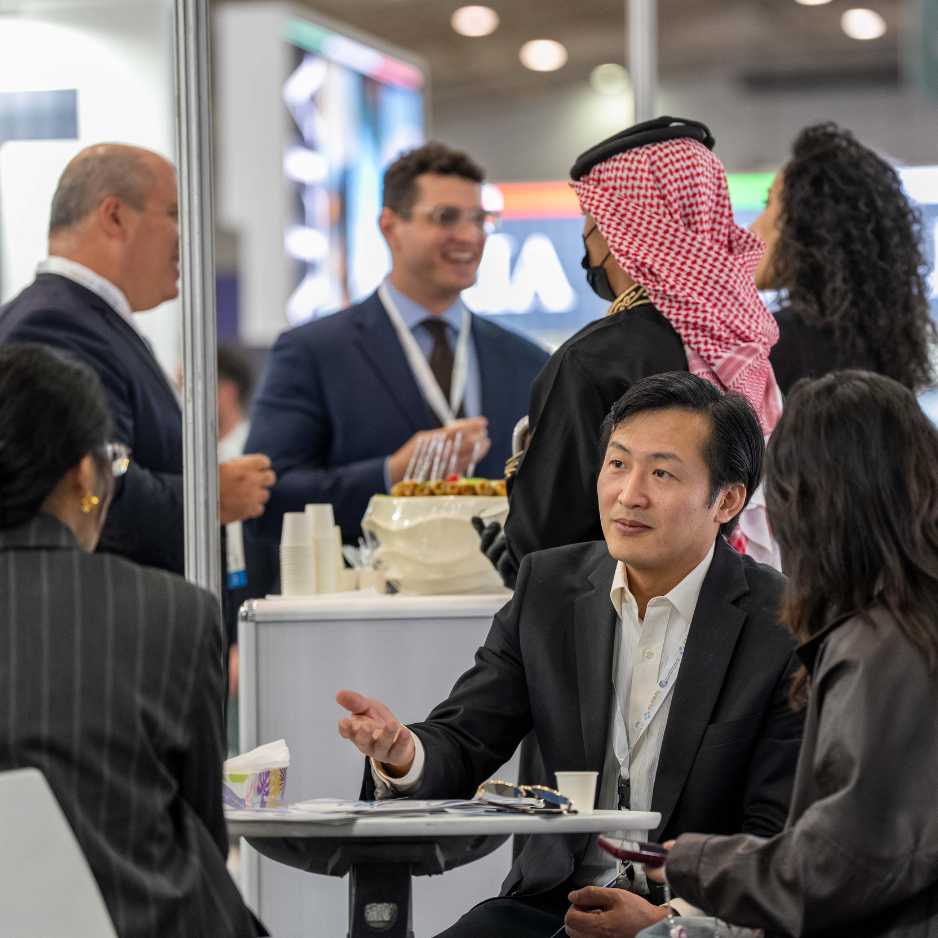
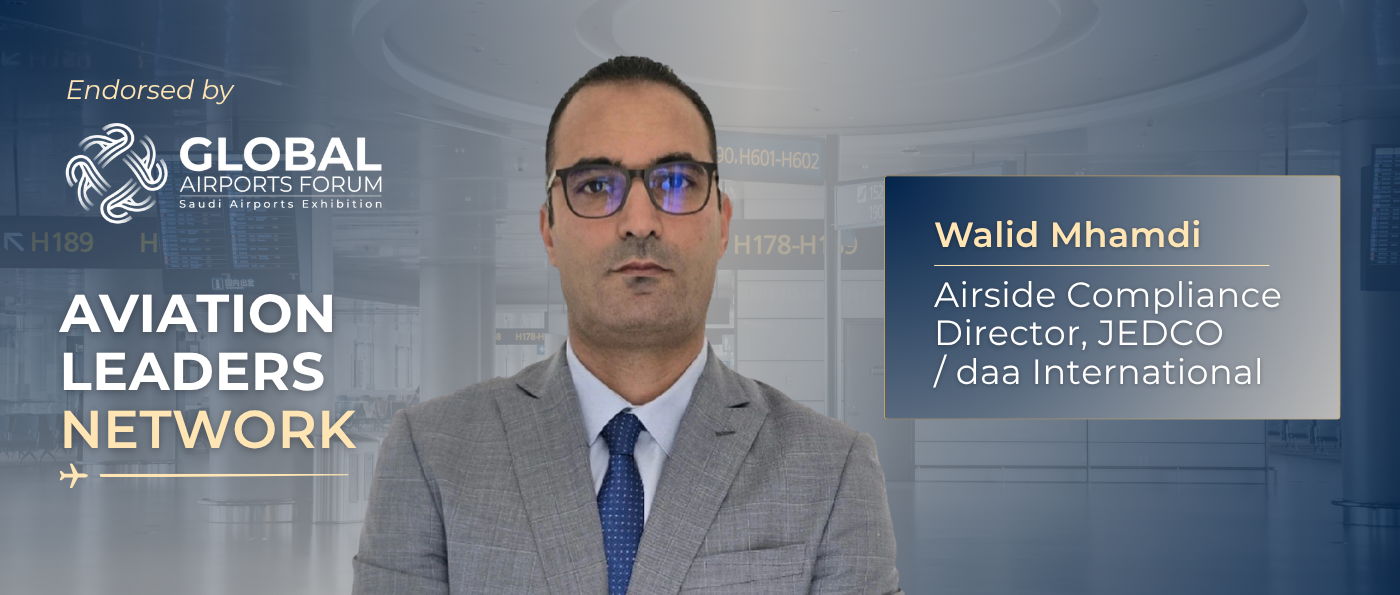
Aviation Leaders Network is a curated editorial initiative endorsed by Global Airports Forum, featuring insights from aviation leaders driving innovation and excellence across the airport ecosystem.


Why Industry Leaders Return
Expertise
Specialist control room design goes beyond furniture—it enhances operational performance, safety, and efficiency by supporting the unique demands of aviation professionals.
Ergonomics
Human-centered design improves situational awareness, reduces fatigue, and enables faster, better-informed decisions in mission-critical environments.
Flexibility
Future-ready control rooms must adapt to evolving technologies, increasing air traffic, and changing operational requirements while supporting long-term resilience.
Collaboration
Early integration of operational, technological, and human factors creates smarter, more resilient aviation environments from the outset.
From Vision to Operation: Future-Ready Control Room Consoles for Saudi Aviation
Saudi Arabia’s aviation sector is undergoing one of the most ambitious transformations in the world. Driven by Vision 2030, the Kingdom is investing heavily in airports, airspace infrastructure and integrated transport systems to position itself as a leading global aviation and logistics hub. Growth on this scale places extraordinary demands not only on physical capacity, but on the operational systems that manage it.
Much of the visible attention rightly falls on terminals, runways and large-scale infrastructure. But those operational systems depend on something less visible: the environments where aviation professionals make safe, fast and informed decisions every second of every day.
Air Traffic Control, Air Traffic Management, Airport Operations Centres, emergency response, security and simulation facilities are the operational heart of modern aviation. As airport and airspace operations grow more complex, these environments must evolve with them.
Those operational systems depend on something less visible: the environments where aviation professionals make safe, fast and informed decisions every second of every day
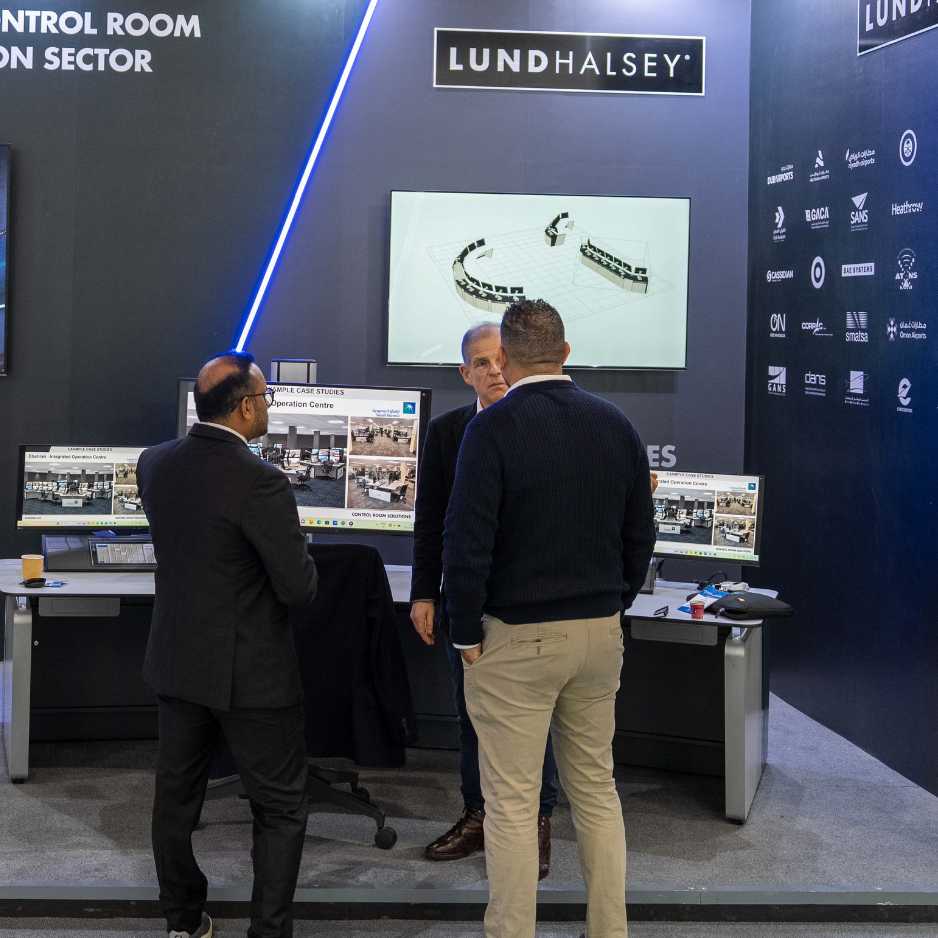
At LundHalsey, we design specialist ATC and ATM console environments for airports, ANSPs and aviation authorities worldwide, including across the Gulf and the wider region. That experience has shown consistently how console design, when treated as an operational discipline rather than furniture, contributes directly to safer and more efficient operations. By combining operational understanding with ergonomic design, we work closely with specialist ATC integrators and end clients to create resilient, future-ready operational spaces.
This thinking shapes how we develop our own solutions. Tower control, radar control and simulation are different operational disciplines, and each demands its own design. Tower controllers rely on a clear external view and move between seated and standing positions; area and approach controllers work head-down on radar through long periods of sustained concentration; and simulation recreates the out-the-window environment for immersive training and a seamless transition to live operations. Each is engineered around the posture, equipment and controller wellbeing the role demands, rather than adapting one design to fit all three.
These environments depend on more than technology integration. Human-centred design is central to performance: ergonomics, sightlines, acoustics, lighting, workflow and operator comfort all shape situational awareness, coordination and efficiency. The consequences of getting this wrong are operational, not cosmetic. Poor sightlines can obscure critical information, inadequate acoustics make communication harder under pressure, and uncomfortable workstations contribute to fatigue across long shifts, all of which slow decisions at exactly the moments when speed matters most. For that reason, console design should be addressed at the earliest stages of aviation infrastructure planning, not treated as a final fit-out item. Early integration aligns operational requirements, technology needs and human factors from the outset.
Console design, when treated as an operational discipline rather than furniture, contributes directly to safer and more efficient operations
Saudi Arabia’s ambitions also demand flexibility and scalability. As digitalisation reshapes aviation, operational spaces must adapt to new technologies, increasing traffic, evolving data systems and changing stakeholder requirements while remaining agile enough to support continuous innovation.
Our recent membership of ICAS as an ATC and ATM console specialist reflects our commitment to the wider aviation ecosystem. It connects us with the air navigation service providers, authorities and integrators shaping the future of air traffic management and ensures that operational and human factors are represented in those conversations alongside systems and technology.
As digitalisation reshapes aviation, operational spaces must adapt to new technologies, increasing traffic, evolving data systems and changing stakeholder requirements while remaining agile enough to support continuous innovation.
As the Kingdom continues its transformation, the conversation must extend beyond infrastructure alone. Saudi Arabia’s aviation future will also be shaped by the mission-critical environments, consoles and integrated control room solutions that help people make safer, faster and better-informed decisions.
Aviation excellence begins where operations happen inside the control rooms that keep airports and airspace moving safely every day.
Leadership Article
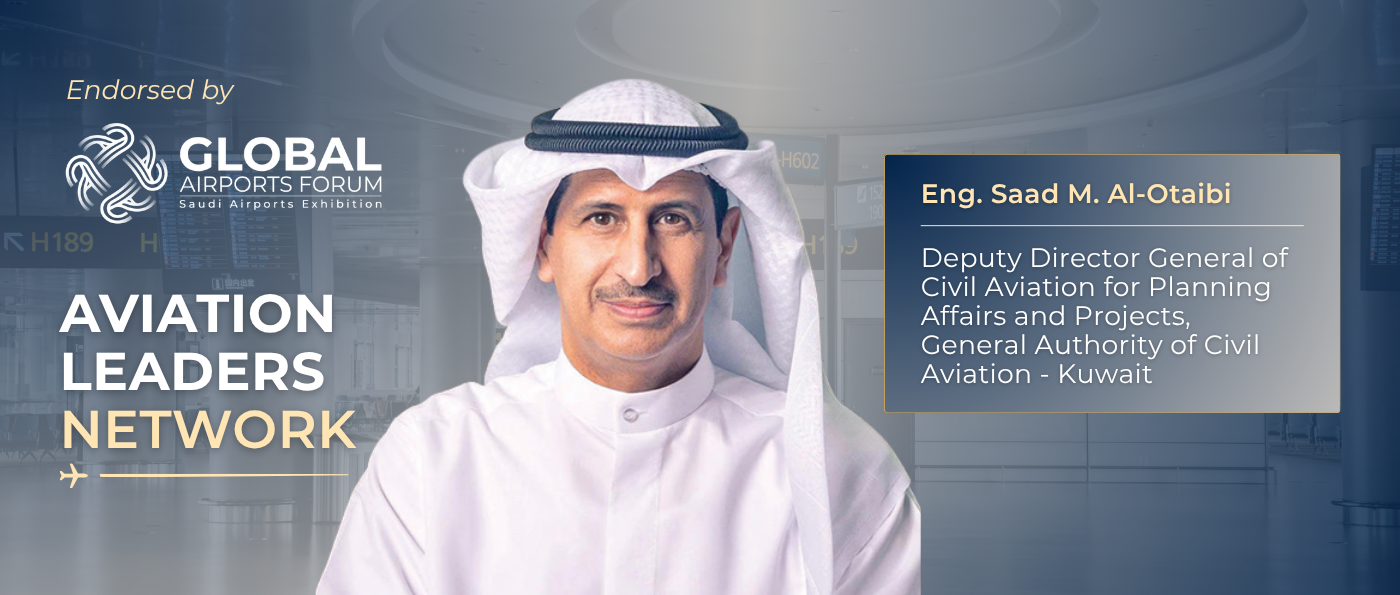
















Be Part of the Fifth Edition
Join the companies that continue to choose Global Airports Forum as their platform for industry engagement, brand visibility and business growth.
Contact The Team Today
Daksha Patel – daksha@nicheideas.net | +971 56 690 7668
Arun Veetil – arun@saudiairportexhibition.com | +971 52 499 4488