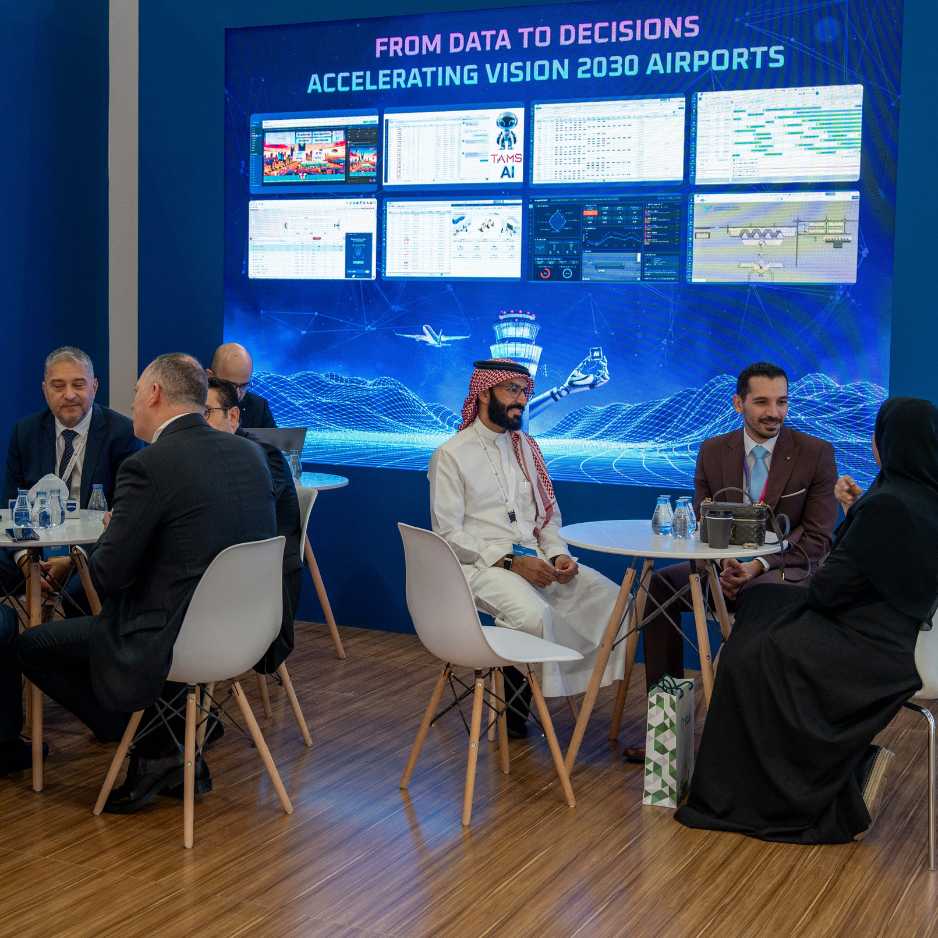
Aviation Leaders Network is a curated editorial initiative endorsed by Global Airports Forum, featuring insights from aviation leaders driving innovation and excellence across the aviation ecosystem.


Key Takeaways
BEYOND COMPLIANCE
Airlines need to move beyond conventional, periodic training and develop customized, continuous learning programmes that keep pace with evolving passenger behaviour and emerging security threats.
TRAIN FOR REAL-WORLD READINESS
Use digital micro-learning, VR/AR simulations and cross-functional training to strengthen crisis preparedness, improve human behaviour management and ensure every employee understands their role in safety and security.
MEASURE WHAT MATTERS
Link training outcomes to measurable KPIs, including fewer ground-related errors, faster emergency response times and increased safety and security reporting.
Intensive and continuous training for ground and security operations serves as the lifeblood for any airline striving for excellence and industry leadership. While most airlines rely on similar, conventional training programs that meet the minimum international regulatory requirements (such as those set by ICAO and IATA), transitioning from mere “regulatory compliance” to “operational excellence” requires a comprehensive re-engineering of the entire training ecosystem.
First: The Gaps in Conventional, Standardized Training
Most airlines rely on formulaic, periodic training programs, which create clear operational gaps:
- Lack of Customization: Relying solely on routine annual courses fails to keep pace with rapid shifts in passenger behavior or emerging security threats.
- Siloed Departments: Ground and in-flight service sectors are often managed in isolation from security and safety divisions—even though frontline staff serve as the first line of defense during crises.
- Over-reliance on Rote Instruction: The focus remains on theories and regulations rather than interactive, practical application and the management of human behavior under pressure.
Second: The Core Pillars of an Intensive and Continuous Training Strategy Transitioning from seasonal training to “continuous learning”: Instead of lengthy annual courses, training material is broken down into short, digital “micro-modules” that are accessed weekly via employees’ smartphones.
Real-time updates: Training content is linked to the latest global reports and incidents as they occur, allowing for the analysis of lessons learned and their rapid dissemination to staff.
Transitioning from mere regulatory compliance to operational excellence requires a comprehensive re-engineering of the entire training ecosystem.
Advanced simulation and Virtual Reality (VR/AR) technologies:
Virtual emergency environments: VR is used to train cabin crew and ground staff on how to handle fires, rapid evacuations, or security threats within environments that perfectly replicate real-life settings (such as inside an aircraft, at departure gates, or on the tarmac).
Building muscle and mental memory: Repeatedly practicing critical scenarios reduces stress and enhances the speed of physical and mental responses during crises.
Cross-functional training. Cross-functional and Integrated Training Programs: Breaking down silos between departments by embedding safety and security concepts into customer service and ground operations training. This ensures that every employee—regardless of their job title—becomes vigilant regarding the work environment and capable of identifying potential risks.
Human Behavior and Crowd Management: Training in-flight and ground service staff in negotiation skills, de-escalation techniques for dissatisfied passengers, and the interpretation of body language related to security risks.
AI-Driven Adaptive Training: Utilizing intelligent platforms to precisely measure the performance of individual trainees and identify their specific weaknesses. This allows for the delivery of customized training content tailored to address those gaps, rather than providing a one-size-fits-all program for everyone.
Repeatedly practicing critical scenarios reduces stress and enhances the speed of physical and mental responses during crises.
III. Implementation Mechanisms and Measuring Return on Investment (ROI):ck loops—direct communication channels between quality officers, field supervisors, and sector trainers—to update curricula based on daily observations from the field and at airports.
Leadership Articles

FEATURED ARTICLE
Convergence of Digital Twins and Proactive Compliance in Modern Airports
5 min read
FEATURED ARTICLE
From Fragmented Operations to Connected Airside Intelligence
5 min read
FEATURED ARTICLE
One Platform. Smarter Passenger Communication for the Airports of Tomorrow.
5 min read
FEATURED ARTICLE
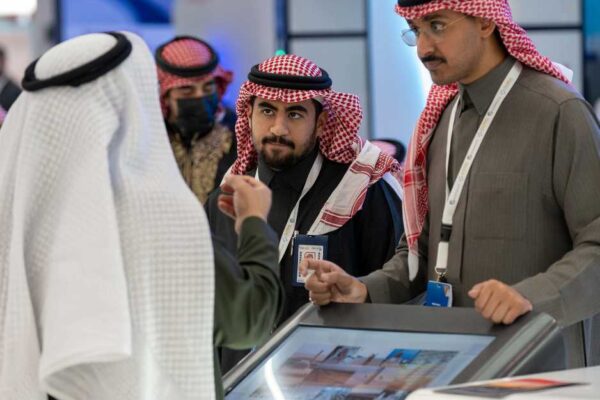
Saudi Arabia needs to move 190 million more passengers by 2030. Most of them won’t arrive in a new building.
5 min read




























Be Part of the Fifth Edition
Join the companies that continue to choose Global Airports Forum as their platform for industry engagement, brand visibility and business growth.
Contact The Team Today
Daksha Patel – daksha@nicheideas.net | +971 56 690 7668
Arun Veetil – arun@saudiairportexhibition.com | +971 52 499 4488