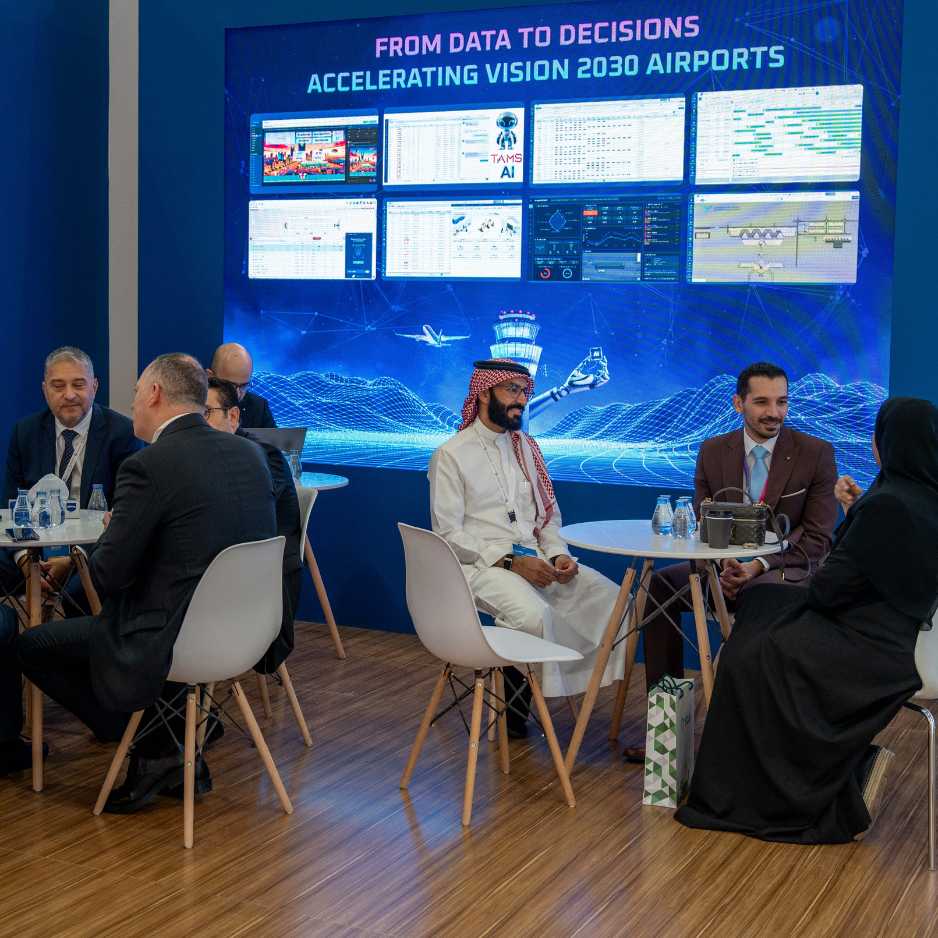
Aviation Leaders Network is a curated editorial initiative endorsed by Global Airports Forum, featuring insights from aviation leaders driving innovation and excellence across the aviation ecosystem.

Key Takeaways
Automate
Transform real-time operational data into intelligent passenger communication.
Connect
Unify every communication channel into one seamless ecosystem.
Enhance
Deliver accurate, timely, and personalized passenger experiences.
Airport passenger communication is undergoing a fundamental transformation.
As airports become busier, more connected, and increasingly focused on operational efficiency, the traditional public address system is no longer sufficient on its own.
Modern passengers expect accurate, timely and personalised information delivered through the communication channels they already use, while airport operators need solutions that reduce workload, improve consistency and support increasingly complex operations.
At the same time, the industry is embracing concepts such as silent airports, digital passenger journeys and greater accessibility.
These trends are reshaping how information is delivered, moving from broad, repetitive announcements to intelligent, targeted communication that reaches the right passengers at precisely the right moment.
The foundation of this transformation is data. Today’s airports generate vast amounts of real-time operational information through Airport Operational Databases (AODB), Flight Information Display Systems (FIDS), airline applications and numerous operational platforms. The real opportunity lies not simply in collecting this data, but in converting it into meaningful passenger communication that is immediate, accurate and multilingual.
Airport passenger communication is undergoing a fundamental transformation.
This is where intelligent automation is becoming essential. Rather than relying on staff to manually monitor operational changes and make announcements, modern communication platforms can automatically generate high-quality, natural-sounding announcements as operational events occur. Boarding calls, gate changes, delays, safety information and operational messages can all be delivered consistently, without delay, while allowing airport staff to focus on assisting passengers rather than repeatedly making routine announcements. Equally important is ensuring that information reaches passengers wherever they are.
Communication is no longer limited to loudspeakers within a terminal. Mobile applications, digital displays, cloud services, third-party platforms and personal devices are becoming integral parts of the passenger journey.
Future-ready communication platforms combine these channels into a single ecosystem, ensuring passengers receive consistent information whether they are in the terminal, waiting at the gate or travelling to the airport.
Accessibility is another increasingly important consideration. Passengers have different language preferences, hearing abilities and communication needs. Providing information in multiple languages and across multiple formats—including both speech and text—not only improves the passenger experience but also supports regulatory requirements and creates more inclusive airports.
The move towards integrated communication also supports broader operational objectives.
Airports are under constant pressure to improve efficiency while maintaining exceptional customer service. Automated passenger communication helps reduce staff workload, improves the consistency of operational messaging, minimises human error and supports collaborative decision-making across airport stakeholders.
Automated passenger communication helps reduce staff workload, improves the consistency of operational messaging, minimises human error and supports collaborative decision-making across airport stakeholders
These capabilities become increasingly valuable as passenger volumes continue to grow without a corresponding increase in staffing levels.
Across the industry, we are seeing the emergence of unified passenger communication platforms that bring together operational data, automation, multilingual speech technologies and digital communication channels into a single intelligent ecosystem. AviaVox is one example of this approach. By integrating real-time operational systems with automated multilingual announcements and digital passenger communication, the platform enables airports and airlines to deliver accurate information across terminals, departure gates, mobile applications and connected services from a single operational environment.
Ultimately, the future of passenger communication is not about replacing people with technology. It is about enabling airport teams with intelligent tools that deliver the right information to the right passengers, at the right place, at exactly the right time.
As airports continue their digital transformation, passenger communication will increasingly become a strategic operational capability rather than simply a public address function. Those airports that successfully integrate automation, real-time operational data and multi-channel communication will be better positioned to improve efficiency, support accessibility, enhance the passenger experience and meet the expectations of the connected traveller.
Smarter communication. Better passenger experiences. More efficient airport operations.
Leadership Articles

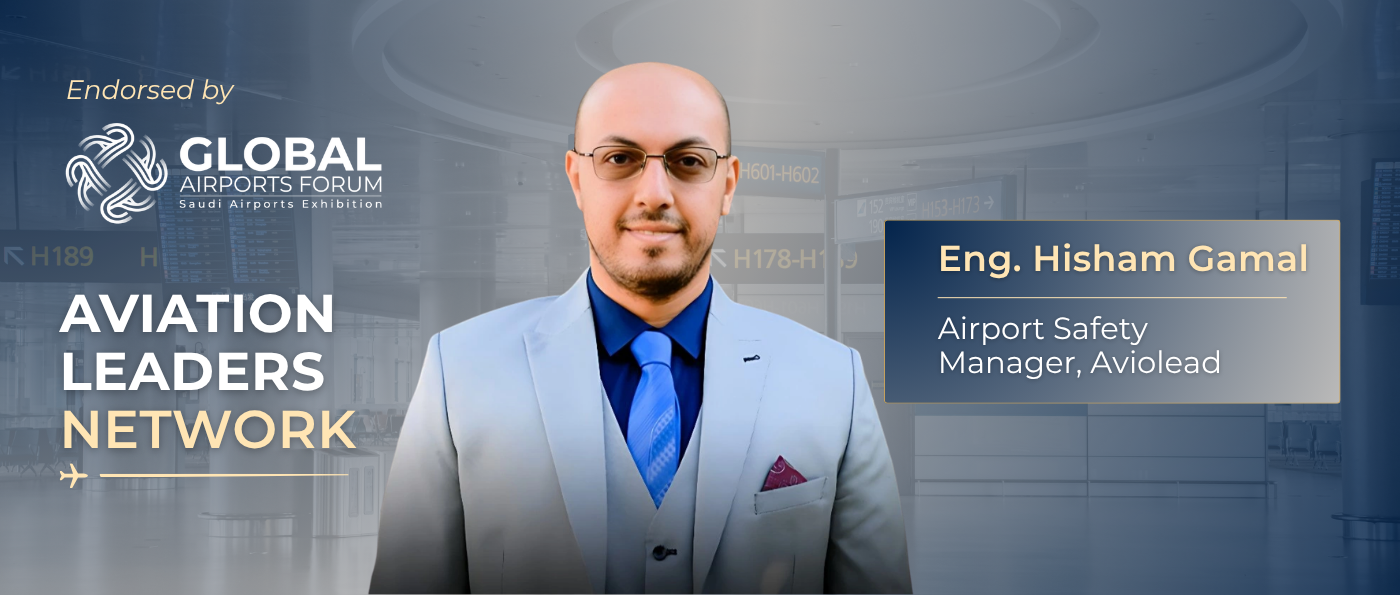
FEATURED ARTICLE
Convergence of Digital Twins and Proactive Compliance in Modern Airports
5 min read

FEATURED ARTICLE
From Fragmented Operations to Connected Airside Intelligence
5 min read
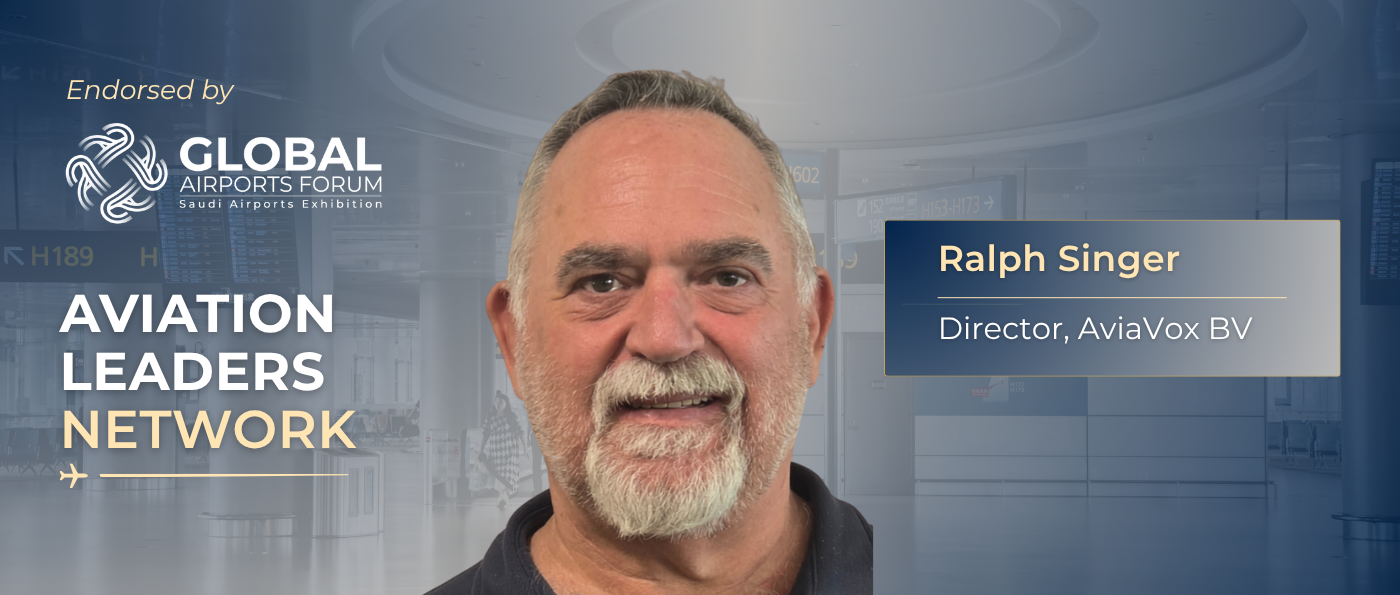
FEATURED ARTICLE
One Platform. Smarter Passenger Communication for the Airports of Tomorrow.
5 min read

FEATURED ARTICLE
Saudi Arabia needs to move 190 million more passengers by 2030. Most of them won’t arrive in a new building.
5 min read





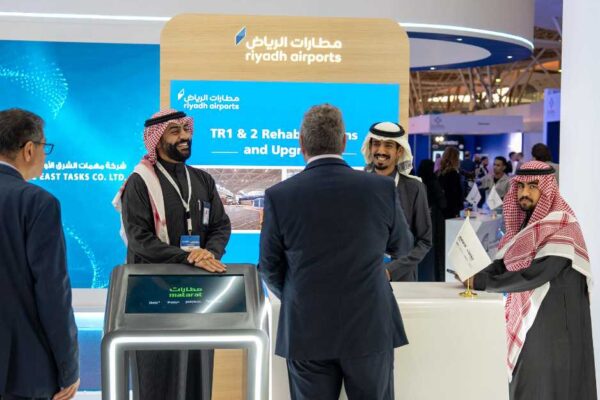

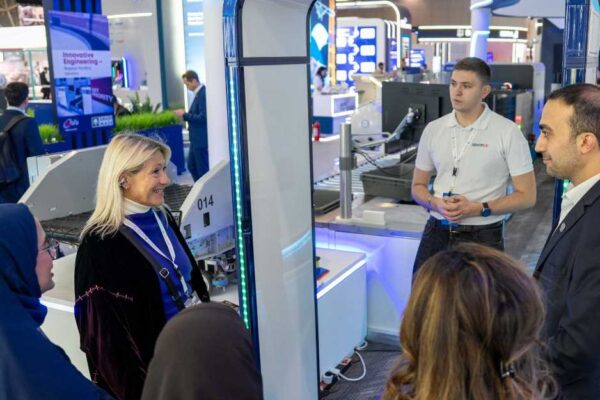























Be Part of the Fifth Edition
Join the companies that continue to choose Global Airports Forum as their platform for industry engagement, brand visibility and business growth.
Contact The Team Today
Daksha Patel – daksha@nicheideas.net | +971 56 690 7668
Arun Veetil – arun@saudiairportexhibition.com | +971 52 499 4488